
Gas Line Pressure Testing in Houston
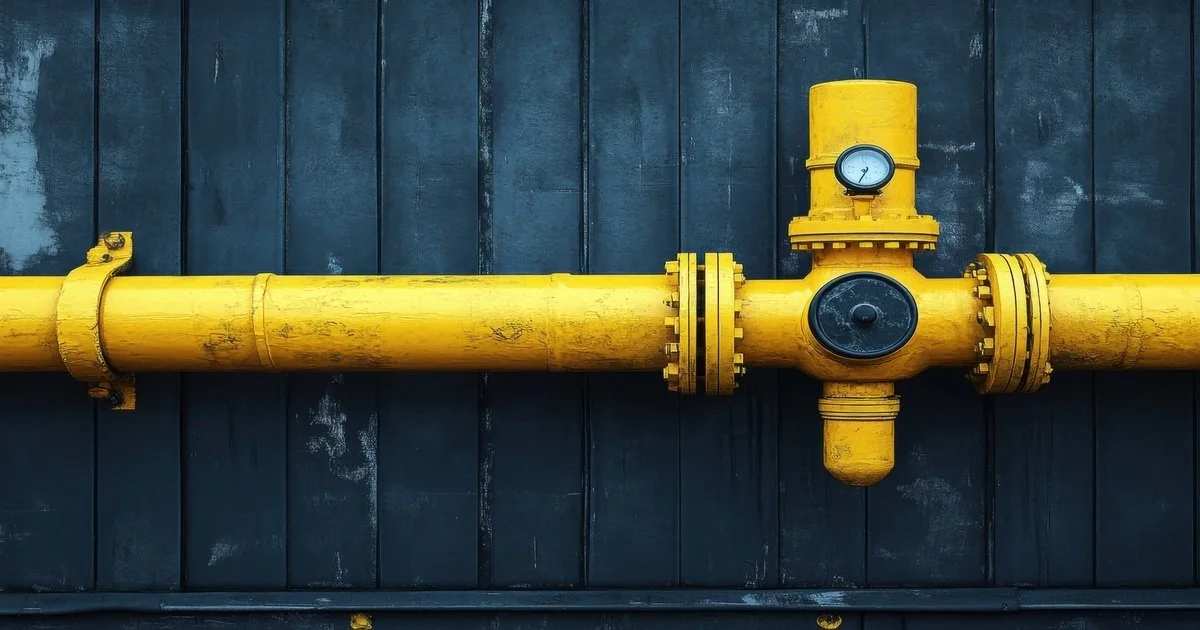
Gas line pressure testing is one of the most important diagnostic services for any home, ensuring that the gas system is operating safely and free from leaks. The process involves pressurizing the gas piping system with air and monitoring it for pressure loss, which can indicate leaks, loose fittings, or deterioration. This testing is crucial in Houston homes, where aging infrastructure, soil movement, and past renovations can all compromise gas line integrity. Because gas is highly combustible, any weakness in the system requires immediate attention to prevent health hazards, fire risk, or system failure.
A comprehensive pressure test evaluates the entire gas network—from the main supply line to branch piping feeding appliances such as water heaters, stoves, furnaces, and fireplaces. Even minor leaks can cause dangerous accumulations of natural gas, especially in enclosed areas or attics. Regular testing provides homeowners with peace of mind and ensures compliance with safety standards required by local municipalities, utility providers, and insurance companies.
Identifying Hidden Leaks and System Weaknesses
Gas leaks are not always obvious. Many start as small pressure drops, slow leaks from fittings, corrosion within metal pipes, or damage caused by past construction work. Pressure testing helps pinpoint these vulnerabilities long before they become hazardous. The test reveals whether pressure levels remain stable over a set period, confirming the system's airtight integrity. When pressure drops, inspectors can isolate and investigate specific sections of the line to find the exact source of the leak.
In Houston’s shifting clay soil, underground gas lines can move or flex, leading to pipe stress or separation over time. Additionally, heavy rainfall, flooding, and foundation movement can affect gas line connections. Pressure testing provides early detection of weaknesses caused by environmental factors, ensuring that homeowners are not unknowingly living with a dangerous system flaw.

A Key Requirement During New Installations and Renovations
Whenever a new appliance is added—such as a tankless water heater, gas range, or outdoor kitchen—pressure testing is required to confirm the system can safely handle the added demand. This validation ensures that gas flow remains safe, efficient, and compliant with Houston building regulations. Contractors often perform pressure tests before turning gas service back on after any modification or replacement.
During remodeling projects, gas lines may need to be rerouted, extended, or repaired. Anytime these changes occur, pressure testing is essential to verify that new connections are secure and that no accidental damage occurred during construction. It also helps protect homeowners from system failures that could arise from improperly installed or damaged gas piping.
Meeting Local Codes and Compliance Requirements
Houston has specific regulations regarding gas installations and gas testing, requiring verification that the system is properly pressurized and leak-free before it is approved for use. Licensed specialists use approved gauges, valves, and testing equipment to ensure compliance with city mandates, utility company standards, and national mechanical codes. Documentation is often required for permit approvals, property sales, insurance claims, or new construction sign-offs.
Compliance testing also ensures that homeowners are protected against liability issues. For instance, if a gas-related incident occurs and testing was not done when required, insurance coverage may be affected. Regular and properly documented pressure tests help maintain full compliance, protecting both property and occupants.

Supporting Long-Term System Reliability and Efficiency
Pressure testing does more than identify dangerous leaks—it also improves the overall efficiency of the home’s gas system. When gas pressure remains consistent and well-regulated, appliances perform better, burn cleaner, and last longer. Leaks or irregularities can cause appliances to malfunction, use more gas, or fail prematurely, leading to avoidable repair costs.
By ensuring the system remains airtight, pressure testing helps maintain optimal performance for heating systems, water heaters, and gas-powered home features. For homeowners who plan long-term improvements or expansions, testing provides the baseline information needed to upgrade the system safely and efficiently.
Your Direct Connection to Houston’s Trusted Gas Safety Experts
Gas line pressure testing is a highly technical and safety-critical service that must be handled by certified professionals. If you need an inspection, compliance test, or system evaluation, reach out to us. We partner with experienced and trusted specialists throughout Houston who can provide accurate testing, detailed reports, and quick solutions for any issues discovered. Contact us today, and we’ll connect you with the right experts to keep your home safe and compliant.
